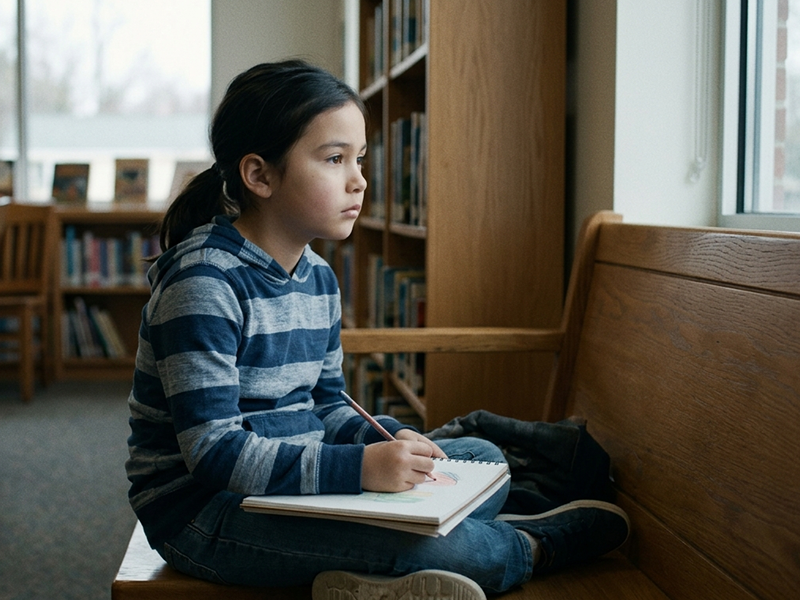
Children living between two homes often carry emotions they do not know how to explain. In high-conflict co-parenting situations, kids can feel caught in the middle, emotionally overwhelmed, confused, anxious, or even responsible for the tension around them.
The difficult part is that emotional struggles in children do not always look obvious. Sometimes they look like anger. Sometimes silence. Sometimes behavior changes that adults misunderstand as “acting out.”
As parents, teachers, caregivers, and co-parents, recognizing the signs early can make a major difference in protecting a child’s emotional well-being.
1. Sudden Behavior Changes
One of the biggest signs a child may be emotionally struggling is a noticeable shift in behavior.
This can include:
- Increased anger or irritability
- Crying more often
- Isolation or withdrawal
- Clinginess
- Trouble following directions
- Mood swings
- Regression behaviors (bedwetting, baby talk, fear of sleeping alone)
Children often communicate emotional distress through behavior because they may not yet have the words to explain what they are feeling.
What To Do
Instead of immediately correcting the behavior, get curious about the emotion underneath it.
Try saying:
- “You seem overwhelmed lately.”
- “I noticed you’ve been quieter than usual.”
- “Do you want to talk about anything that’s been hard?”
Children need emotional safety before they can emotionally regulate.
2. Anxiety Around Transitions Between Homes
Many children in high-conflict co-parenting situations become anxious before exchanges or transitions between households.
You may notice:
- Stomachaches before transitions
- Emotional meltdowns during drop-offs
- Difficulty sleeping the night before exchanges
- Excessive worrying
- Asking repeated questions about schedules
- Fear of upsetting one parent
Children can internalize tension even when adults think they are hiding it well.
What To Do
Create consistency and emotional predictability.
Helpful strategies include:
- Keeping transitions calm and low-conflict
- Avoiding arguments during exchanges
- Maintaining routines in both homes
- Giving children reassurance without asking them to “choose sides”
Simple phrases matter:
- “You’re safe in both homes.”
- “You’re allowed to love both parents.”
- “None of this is your responsibility.”
3. Becoming the “Peacemaker”
Some children begin emotionally monitoring adults in high-conflict situations.
They may:
- Try to fix problems between parents
- Hide their own feelings to avoid conflict
- Tell each parent what they think they want to hear
- Become overly mature for their age
- Carry emotional burdens that are not theirs
This is sometimes called parentification — when children take on emotional responsibilities beyond their developmental level.
What To Do
Remind your child that adult problems belong to adults.
Children should never feel responsible for:
- Managing conflict
- Delivering emotional support to parents
- Carrying messages between homes
- Choosing loyalty between parents
A child’s job is to be a child.
4. School or Academic Changes
Emotional stress often appears at school first.
Teachers may notice:
- Difficulty concentrating
- Falling grades
- Behavioral changes
- Increased absences
- Emotional sensitivity
- Withdrawal from friends
Children cannot fully focus on learning when their nervous system feels emotionally unsafe.
What To Do
Partner with supportive adults.
This may include:
- Teachers
- School counselors
- Therapists
- Trusted family members
You do not have to share every court detail to advocate for emotional support.
Sometimes a simple conversation with a teacher can help a child feel more understood and supported during difficult transitions.
5. Physical Symptoms With No Clear Medical Cause
Children experiencing emotional stress sometimes develop physical symptoms, including:
- Headaches
- Stomachaches
- Fatigue
- Sleep difficulties
- Appetite changes
Stress lives in the body, especially for children who do not yet know how to process emotions verbally.
What To Do
Take emotional symptoms seriously.
Even if a child cannot explain what is wrong, their body may still be communicating distress.
Focus on:
- Emotional connection
- Rest
- Healthy routines
- Calm environments
- Safe communication
Sometimes children need less pressure and more emotional presence.
6. Loyalty Conflicts
One of the most emotionally painful experiences for children in high-conflict co-parenting is feeling guilty for loving both parents.
You may notice:
- Hesitation talking about the other home
- Fearful reactions after mentioning one parent
- Emotional shutdowns
- Feeling like they must “protect” one parent’s feelings
Children should never feel like love is betrayal.
What To Do
Protect your child from emotional loyalty tests.
Avoid:
- Asking children to report information
- Speaking negatively about the other parent in front of them
- Making children feel guilty for enjoying time elsewhere
- Using children as emotional support
Instead, normalize emotional freedom:
- “I’m glad you had fun.”
- “You never have to hide loving either parent.”
- “Your heart is big enough for both homes.”
What Children Need Most During High-Conflict Co-Parenting
Children do not need perfect parents.
They need:
- Emotional safety
- Stability
- Predictability
- Healthy boundaries
- Calm communication
- Permission to love both parents freely
Even when co-parenting feels difficult, one emotionally regulated parent can still become a powerful source of stability for a child.
Your child may not remember every court date, disagreement, or stressful exchange
But they will remember how safe they felt with you.
And that emotional safety can shape healing for years to come.
Final Thoughts
High-conflict co-parenting affects children emotionally, even when they do not openly say it. The goal is not perfection — it is awareness, emotional safety, and intentional healing.
Children deserve the freedom to be children, not emotional referees in adult conflict.
Protecting a child’s peace sometimes starts with recognizing the silent ways they are struggling — and responding with patience, regulation, and love.
Because no matter how complicated family dynamics become… and no matter how many homes a child lives in… they still only have one heart. And it deserves to be protected.