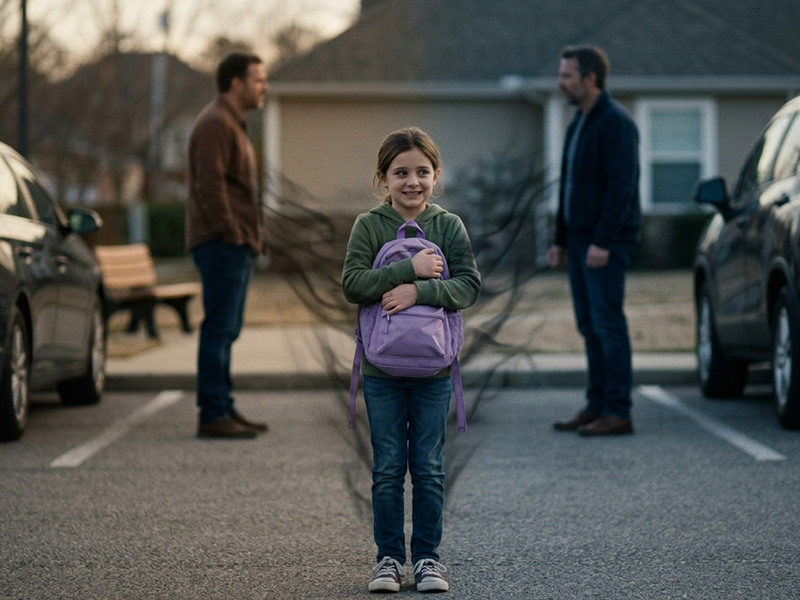
When people think about high conflict coparenting, they often focus on the stress it creates for the parents. The arguments, court hearings, text messages, schedules, and constant tension can feel overwhelming. What is often overlooked, however, is the anxiety children quietly carry as they try to navigate life between two homes.
Children are incredibly perceptive. Even when they are not directly involved in adult disagreements, they often sense the tension around them. They notice the uncomfortable silence when a parent’s name is mentioned. They recognize the change in tone during exchanges. They pick up on the frustration, anger, disappointment, and resentment that adults may believe they are hiding.
Over time, this exposure can create anxiety that children may not know how to express.
The Anxiety No One Sees
Many children in high conflict coparenting situations become emotional “weather forecasters.” They constantly scan their environment, trying to predict what might happen next.
Will Mom be upset if I talk about Dad?
Will Dad get angry if I tell him I had fun at Mom’s house?
Should I keep certain things to myself to avoid causing problems?
Will there be another argument?
Instead of focusing on being children, they become focused on managing the emotions of the adults around them.
This creates a level of stress that no child should have to carry.
When Children Start Walking on Eggshells
One of the most common signs of anxiety in children exposed to high conflict coparenting is the feeling that they must carefully choose their words.
A child may stop sharing stories about their experiences in one home because they fear upsetting the other parent.
They may become unusually quiet.
They may withhold excitement, accomplishments, or happy memories because they worry about someone’s reaction.
Over time, children can begin to feel responsible for keeping the peace.
The problem is that maintaining peace between adults is not a child’s job.
Anxiety Can Show Up in Unexpected Ways
Children do not always say, “I’m anxious.”
Instead, anxiety may appear as:
- Difficulty sleeping
- Frequent stomachaches or headaches
- Increased emotional outbursts
- Withdrawal from family or friends
- Trouble concentrating at school
- Fear of making mistakes
- Excessive worrying
- Changes in behavior
Parents may mistakenly view these behaviors as defiance or attention-seeking when they are actually signs of emotional distress.
What Children Need Most
Children need emotional safety.
They need to know that they can love both parents without guilt.
They need reassurance that they are not responsible for adult problems.
They need the freedom to share experiences from either home without fear of judgment or consequences.
Most importantly, they need permission to simply be children.
Children should never feel like they are carrying the emotional weight of a family conflict.
How Parents Can Help
Even in difficult coparenting situations, parents can take steps to reduce the anxiety children experience.
- Keep adult conflicts away from children.
- Avoid asking children to relay messages between parents.
- Allow children to speak freely about both homes.
- Reassure children that they are not responsible for adult issues.
- Focus conversations on the child’s needs rather than parental disagreements.
- Listen without judgment when children express their feelings.
These small actions can have a powerful impact on a child’s emotional well-being.
A Final Thought
Children do not need perfect parents.
They do not need parents who always agree.
What they need are parents who understand that conflict affects more than the adults involved.
Behind every custody schedule, parenting plan, or disagreement is a child trying to make sense of the world around them.
When parents choose to protect their child from unnecessary conflict, they give that child something invaluable: the freedom to feel safe, loved, and secure in both homes.
And that is something every child deserves.